When shopping for wigs, especially 100% human hair wigs, many buyers are surprised by the huge price differences between seemingly similar products. One wig might cost $80, while another with the same length and style costs $400 or more. This often leads to confusion and one big question: why are some human hair wigs much cheaper than others?
The answer is not simple. The price of a wig depends on multiple factors, including hair quality, sourcing methods, manufacturing processes, and even marketing strategies. In this article, we’ll break down the key reasons behind these price differences so you can make a smarter buying decision.
Table of Contents
Toggle1. Hair Source and Quality Grade
Not all “human hair” is the same.
High-quality wigs are usually made from Remy human hair, where the cuticles are kept intact and aligned in the same direction. This prevents tangling and gives the hair a natural, silky look that lasts longer.
Cheaper wigs may use:
- Non-Remy hair (cuticles mixed or stripped)
- Collected hair from multiple sources with different textures
- Lower-grade hair that has been chemically processed
Non-Remy hair is cheaper because it requires less careful collection and processing, but it tangles more easily and has a shorter lifespan.
2. Hair Collection Method
Where and how the hair is collected also impacts price significantly.
Premium wigs often use hair that is:
- Ethically collected from single donors
- Cut in ponytail form to maintain alignment
- Carefully sorted by length and texture
Cheaper wigs may use:
- Mixed donor hair
- Hair collected from hairbrushes or floors (lower quality)
- Acid-washed hair to remove impurities quickly
The more controlled and ethical the sourcing, the higher the cost.
3. Processing and Chemical Treatment
To achieve certain textures like body wave, deep wave, or straight styles, hair goes through processing. However, the level of processing varies widely.
Low-cost wigs often undergo:
- Heavy acid baths to strip cuticles
- Silicone coating to make hair feel smooth temporarily
- Strong chemical treatments to mimic natural textures
These methods reduce production costs but also reduce durability. After a few washes, the hair may become dry, tangled, or lose its original shine.
Higher-end wigs, on the other hand, rely on minimal processing and preserve the natural integrity of the hair.
4. Lace Quality and Construction
The lace used in wigs is another major price factor.
Premium wigs use:
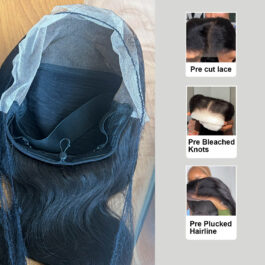
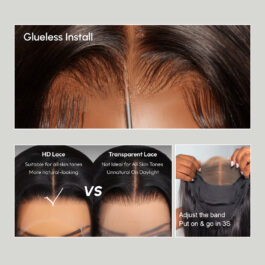
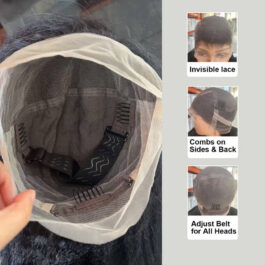
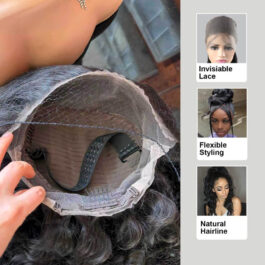
- HD lace or transparent Swiss lace
- Thin, breathable material that blends with the scalp
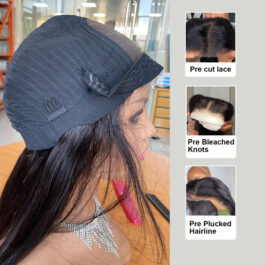
- Hand-tied knots for a natural hairline
Cheaper wigs may use:
- Thicker, less breathable lace
- Machine-made hairlines
- Visible knots that require extra bleaching or makeup to conceal
Even if the hair itself is decent, poor lace quality can make the wig look unnatural.
5. Hair Density and Length Accuracy
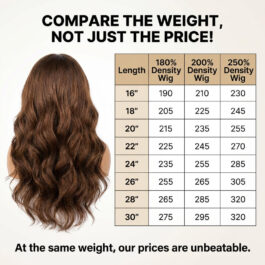
Many budget wigs advertise high density or long lengths, but the actual product often does not match the description.
Cheaper wigs may:
- Have uneven density (thin at the ends)
- Use shorter hair layered to appear longer
- Reduce hair volume to save cost
Premium wigs are more consistent in density from roots to ends, which creates a fuller and more natural appearance.
6. Manufacturing Costs and Labor
Handmade wigs, especially those with hand-tied lace fronts or full lace construction, require skilled labor and more time.
Higher-priced wigs typically involve:
- Hours of hand-ventilation (knotting individual hairs)
- Quality inspection at multiple stages
- Professional styling before shipping
Cheaper wigs rely more on machine production, which is faster and significantly reduces labor costs—but also reduces realism and customization.
7. Branding, Marketing, and Middlemen
Sometimes the price difference has less to do with the hair itself and more to do with the business model.
- Established brands include marketing, packaging, and retail costs in pricing
- Dropshipping sellers may offer lower prices with inconsistent quality
- Wholesale suppliers often sell cheaper due to bulk production and lower margins
This is why two wigs that look identical online can have very different prices depending on who is selling them.
8. Longevity and Value Over Time
A cheaper wig might seem like a good deal at first, but it often has a shorter lifespan.
- Low-cost wigs may last 1–3 months with regular wear
- High-quality wigs can last 6–12 months or longer with proper care
So while the upfront price is higher for premium wigs, the cost per wear is often lower in the long run.
9. Packaging and After-Sales Support
Another hidden factor is customer service and packaging quality.
Higher-end sellers often provide:
- Satin bags or protective packaging
- Clear return or quality guarantees
- Styling guidance or after-sales support
Budget wigs usually ship in basic packaging with minimal customer support, which also reduces cost.
Final Thoughts
The price difference between human hair wigs is not random. It reflects real differences in hair quality, sourcing ethics, construction methods, and longevity.
If you are choosing a wig, instead of focusing only on price, consider:
- How long you want it to last
- How natural you want it to look
- How often you plan to wear it
A cheaper wig can be suitable for short-term or occasional use, but for daily wear or professional styling, investing in a higher-quality wig is often more cost-effective and visually satisfying.
Understanding these differences helps you avoid low-quality purchases and choose a wig that truly matches your needs.