Choosing the right wig can feel overwhelming, especially with so many textures, lace types, lengths, and densities available on the market today. Whether you’re buying your first wig or upgrading your collection, having a clear checklist helps you avoid costly mistakes and ensures you get a natural, comfortable, and long-lasting result.
This Ultimate Wig Buying Checklist breaks everything down into simple, practical steps so you can confidently choose the perfect wig for your needs.
Table of Contents
Toggle1. Define Your Purpose for Wearing a Wig
Before comparing styles, start with the “why.” Your purpose determines almost every other decision.
Ask yourself:
- Are you wearing it daily or occasionally?
- Do you want a natural everyday look or a glamorous style for events?
- Is it for convenience, fashion, or hair protection?
For daily wear, comfort and realism matter most. For occasional use, you might prioritize styling flexibility and volume.
2. Choose Between Human Hair and Synthetic Hair
One of the biggest decisions is the hair type.
Human Hair Wigs
- Look more natural
- Can be dyed, curled, and heat-styled
- Longer lifespan with proper care
- Higher price point
Synthetic Wigs
- More affordable
- Pre-styled and low maintenance
- Limited heat styling ability (depending on fiber type)
- Shorter lifespan
If you want a premium, long-term investment, human hair is usually the better choice.
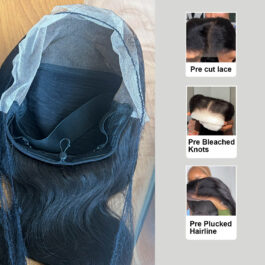
3. Select the Right Lace Type
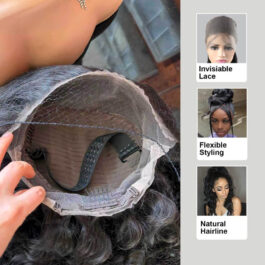
Lace plays a major role in how realistic your wig looks.
Common options include:
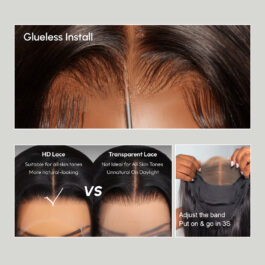
- Transparent lace – blends with many skin tones
- HD lace – ultra-thin, highly undetectable
- Light brown / medium brown lace – best for deeper skin tones
HD lace typically offers the most natural hairline, but it can be more delicate and requires careful handling.
4. Pick the Correct Lace Design
Lace design determines styling versatility and hairline realism.
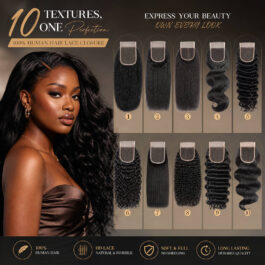
- 4×4 closure wigs: Simple, beginner-friendly, natural middle part
- 5×5 closure wigs: More parting space, more styling flexibility
- 13×4 frontal wigs: Ear-to-ear hairline, best for styling versatility
If you want maximum styling freedom (side parts, ponytails, etc.), frontal wigs are usually the best option.
5. Decide on Hair Length
Hair length dramatically changes your overall look and price.
Common lengths:
- 10–14 inches: short bob styles, easy maintenance
- 16–22 inches: natural everyday length
- 24–30+ inches: dramatic, glamorous styles
A helpful tip: longer wigs require more maintenance and detangling, especially for curly or textured hair.
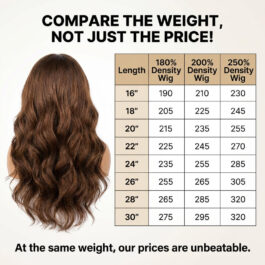
6. Choose the Right Hair Density
Density affects how full your wig looks.
Typical ranges:
- 130%: natural and lightweight
- 150%: balanced, natural fullness (most popular)
- 180%: fuller, more glamorous look
- 200%+: very thick, high-volume styles
If you’re unsure, 150% density is usually the safest choice for a natural appearance.
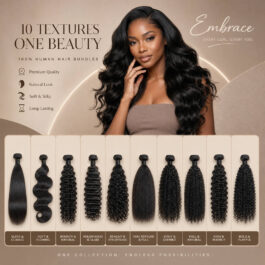
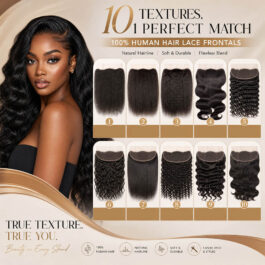
7. Pick Your Hair Texture
Texture defines the overall style and maintenance level.
Popular options include:
- Straight
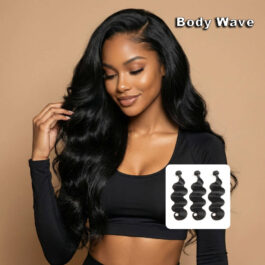
- Body wave
- Deep wave
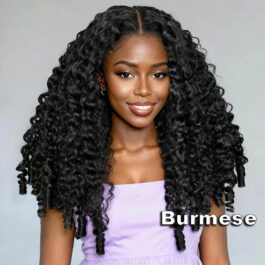
- Curly / kinky curly
Straight and body wave textures are easier to maintain, while curly textures offer more volume but require hydration and care.
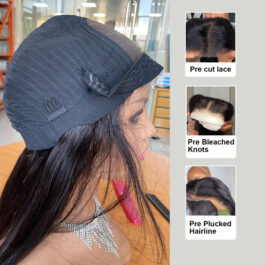
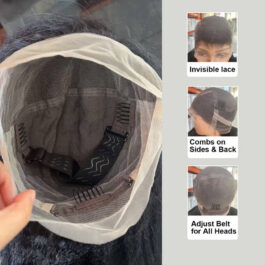
8. Check Cap Size and Fit
A wig that doesn’t fit well will never look natural.
Most wigs come in standard sizes:
- Small
- Medium (most common)
- Large
Make sure to measure your head circumference before ordering. A secure fit prevents shifting and improves comfort for all-day wear.
9. Evaluate Hair Quality
Not all “human hair” is the same.
Look for:
- 100% Remy human hair
- Cuticle-aligned strands
- Minimal shedding and tangling
- Consistent texture from root to tip
High-quality hair will last longer, style better, and look more natural under lighting.
10. Consider Maintenance Requirements
Every wig type requires care, but some more than others.
Ask yourself:
- Do I have time for washing and conditioning?
- Am I comfortable detangling curly textures?
- Will I use heat tools regularly?
Straight wigs are lower maintenance, while curly and high-density wigs require more upkeep.
11. Compare Pricing vs. Value
A higher price doesn’t always mean better quality—but extremely cheap wigs often cut corners.
Instead of focusing only on price, evaluate:
- Hair quality
- Lace quality
- Construction
- Longevity
A well-made wig is an investment that can last months or even years.
12. Check Seller Reputation
Before purchasing, always review:
- Customer photos
- Video reviews
- Return or refund policy
- Communication responsiveness
A reliable seller should be transparent about hair origin, density, and lace options.
Final Thoughts
Buying a wig doesn’t have to be complicated. Once you understand the key factors—hair type, lace, length, density, texture, and fit—you can confidently choose a wig that matches your lifestyle and enhances your look.
Use this Ultimate Wig Buying Checklist as your guide every time you shop, and you’ll avoid guesswork while getting consistently better results.