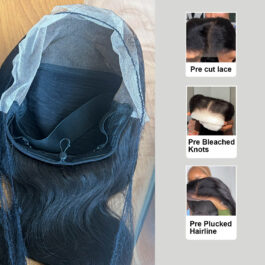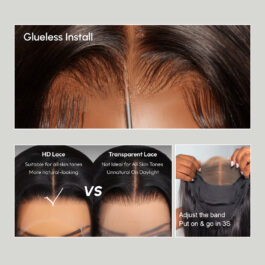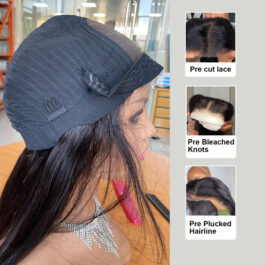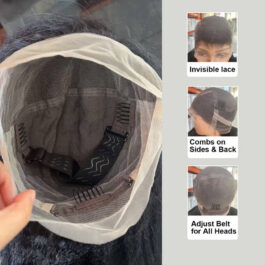
Human hair wigs are a valuable investment, especially for anyone who wears them regularly for style, convenience, or protective hairstyling. While high-quality human hair wigs can last a long time with proper care, many people unintentionally damage them through everyday habits. These small mistakes gradually reduce softness, cause shedding, and shorten the overall lifespan of the wig.
Understanding what to avoid is just as important as knowing how to care for your wig. Below are the most common mistakes that can significantly shorten the life of human hair wigs—and how to prevent them.
Table of Contents
ToggleWashing the Wig Too Frequently or Too Aggressively
One of the biggest mistakes is over-washing. Human hair wigs do not produce natural oils like your scalp hair, so they don’t need frequent cleansing. Washing too often strips the hair of moisture and makes it dry and brittle.
On the other hand, being too rough during washing—such as scrubbing, twisting, or using hot water—can cause tangling and shedding. A gentle wash with lukewarm water and sulfate-free products helps maintain the wig’s natural softness and shine.
Using the Wrong Hair Products
Not all hair products are suitable for wigs. Many people mistakenly use products designed for natural growing hair, which often contain heavy silicones, alcohol, or sulfates. These ingredients can build up on the wig fibers and weaken the hair over time.
Instead, lightweight, moisturizing products designed for dry or damaged hair are much safer. Leave-in conditioners and nourishing serums should be used sparingly to avoid buildup.
Excessive Heat Styling Without Protection
Flat irons, curling wands, and blow dryers can completely transform a wig’s style—but excessive heat is also one of the fastest ways to damage it. Even “heat-safe” human hair wigs can become dry and lifeless if exposed to high temperatures too often.
Always use a heat protectant spray before styling, and keep the temperature at a moderate level. Reducing heat styling frequency will significantly extend the wig’s lifespan.
Sleeping or Showering While Wearing the Wig
Wearing a wig to bed or in the shower may seem convenient, but it can cause serious damage. Friction from pillows leads to tangling, matting, and shedding. Moisture from showers can also loosen the wig’s construction and affect lace quality.
To preserve the wig, always remove it before sleeping or bathing, and store it on a wig stand to maintain its shape.
Improper Detangling Techniques
Brushing a wig the wrong way is another common issue. Starting from the roots instead of the ends can create unnecessary tension and lead to breakage.
The correct method is to gently detangle from the ends upward using a wide-tooth comb or a wig brush. Patience is key—forcing through knots will always cause more damage in the long run.
Poor Storage Habits
Throwing a wig into a drawer or leaving it exposed on a surface leads to tangling, dust accumulation, and shape distortion. Over time, this significantly reduces the wig’s quality and appearance.
Proper storage on a wig stand or mannequin head helps maintain the style and keeps the hair smooth and ready to wear.
Ignoring Regular Maintenance
Even high-quality wigs require maintenance. Skipping conditioning treatments, neglecting lace cleaning, or failing to trim split ends can gradually reduce the wig’s lifespan.
A simple maintenance routine—light conditioning, careful detangling, and occasional deep treatment—keeps the wig looking natural and healthy for much longer.
Conclusion
Human hair wigs can last for a long time when properly cared for, but small mistakes in daily use can quickly shorten their lifespan. Over-washing, excessive heat, improper storage, and rough handling are some of the most common issues that damage wigs over time.
By adopting gentle care habits and treating your wig like natural hair with a little extra attention, you can maintain its softness, shine, and durability for many months—or even years.